


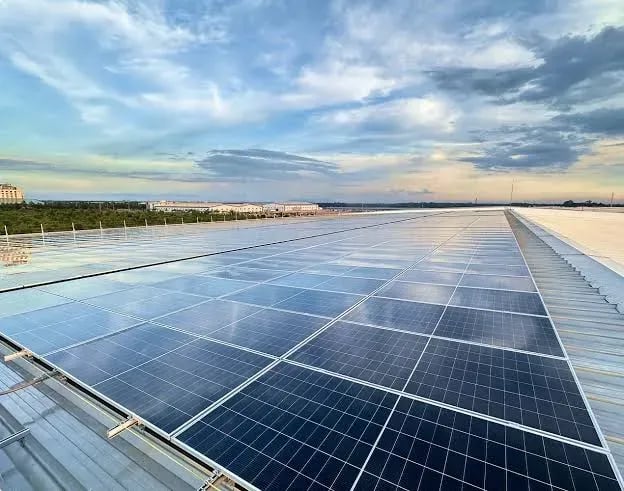
Green Industrial Real Estate 2026: LEED, EDGE Standards and the Sustainable Future
Discover 2026 green industrial real estate trends with LEED & EDGE standards. Explore sustainable infrastructure solutions that enhance asset value and optimize operational costs from Navix Global Group
The global shift in Foreign Direct Investment (FDI) flow is placing unprecedented demands on manufacturing and logistics infrastructure. Entering 2026, green industrial real estate is no longer merely an optional competitive edge; it has become an indispensable prerequisite in the supply chain expansion strategies of multinational corporations. Within this landscape, integrating standardized certification systems such as LEED and EDGE directly shapes the long-term value of industrial assets.
LEED & EDGE Standards: The New Metric for Modern Industrial Infrastructure
The definition of modern industrial infrastructure has undergone a complete transformation. Rather than being measured solely by floor area or geographic location, an investment project's appeal now centers on dual LEED & EDGE certifications. Under mounting pressure from Net-Zero emissions commitments and ESG reporting mandates, international investors view green building certifications as a primary risk mitigation filter before committing capital.
The convergence of LEED and EDGE standards establishes a comprehensive benchmark for sustainable factory and warehouse networks, elevating project value while satisfying the rigorous expectations of global investors.
LEED Certification (Leadership in Energy and Environmental Design): Developed by the U.S. Green Building Council (USGBC), LEED comprehensively evaluates a building’s lifecycle across key criteria: site selection, transportation connectivity, energy efficiency, water stewardship, material lifecycle, and indoor environmental air quality.
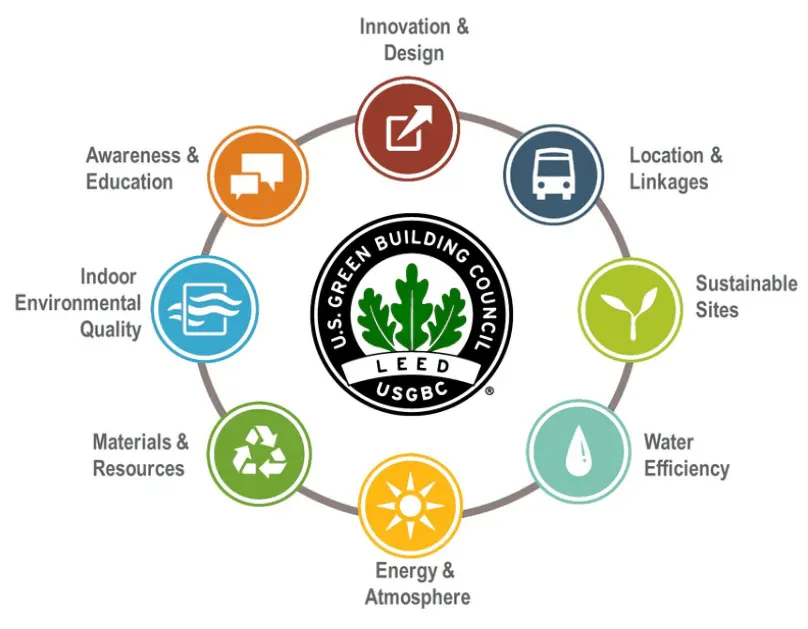
LEED Standards & Framework
EDGE Certification (Excellence in Design for Greater Efficiencies): Created by the International Finance Corporation (IFC), a member of the World Bank Group, EDGE delivers a highly pragmatic, quantitative approach. It requires facilities to demonstrate a minimum 20% reduction across three critical metrics compared to conventional buildings: energy consumption, water usage, and embodied energy in building materials.
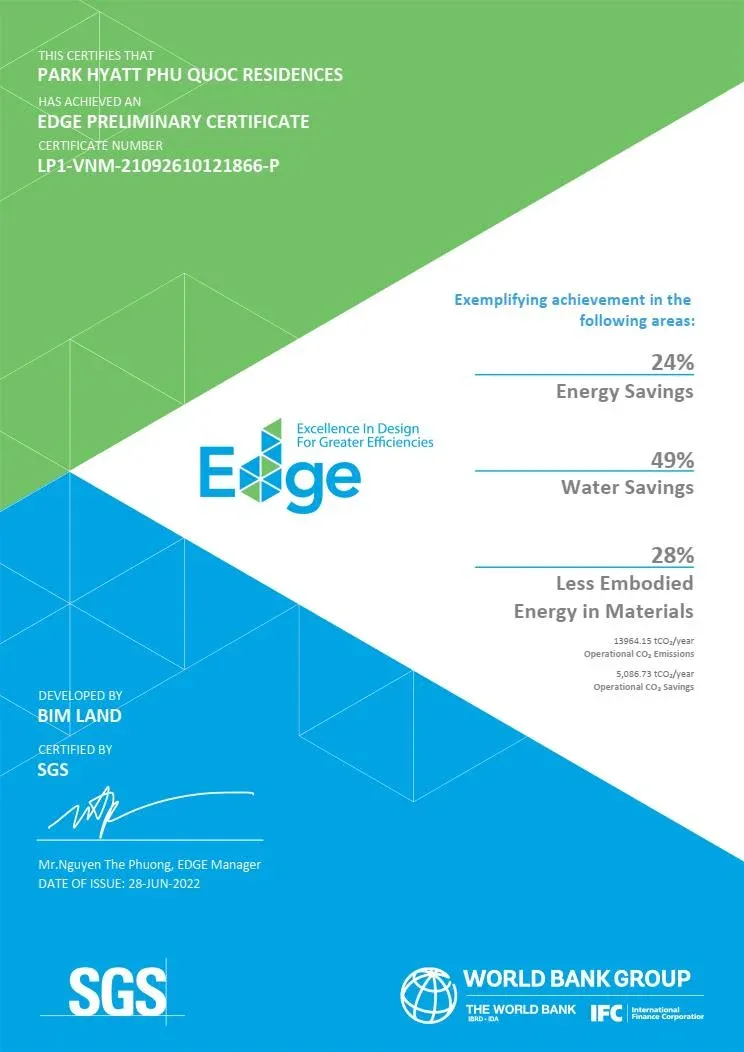
Global EDGE Benchmarks
An infrastructure system that meets LEED or EDGE benchmarks serves as tangible evidence of corporate social responsibility, accompanied by optimized financial performance, enhanced asset value, and elevated global prestige.
Advanced Rooftop Solar Solutions: A Strategic Lever for LEED & EDGE Compliance
In the design of industrial factories and warehouses, expansive flat rooftops represent a valuable asset that often goes underutilized. Integrating modern rooftop solar power systems serves as the pivotal technical link to realizing sustainability objectives:
Maximizing LEED Certification Points: The Energy & Atmosphere category carries the highest point allocation within the LEED rating framework. Rooftop systems generate on-site renewable energy, serving as a key driver to push projects into LEED Gold and LEED Platinum tiers.
Meeting EDGE Energy Savings Benchmarks: Solar installations directly reduce grid electricity consumption by 20% to over 40%, paving the way for facilities to attain EDGE Advanced status and target EDGE Zero CarbonAssisting FDI Tenants with Scope 2 & CBAM Compliance: On-site clean power enables export-oriented manufacturers to lower indirect emissions (Scope 2), effortlessly navigating stringent supply chain audits and carbon tax barriers—such as the EU's Carbon Border Adjustment Mechanism (CBAM)—when exporting to European and U.S. markets.
Solar-Ready Infrastructure: Structural framing, roof load capacity, and substations are technically engineered right from the preliminary blueprint phase. This enables developers and installation partners to deploy photovoltaic (PV) panels and Battery Energy Storage Systems (BESS) safely and rapidly without incurring structural retrofit costs.
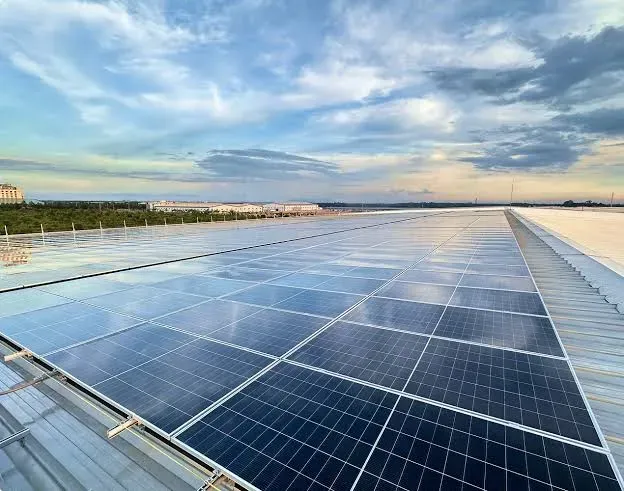
Optimizing Rooftop Solar Power: Challenges & Solutions
Operational Benefits and Financial Returns for Enterprises
Investing in green industrial real estate extends beyond environmental stewardship to deliver superior financial advantages:
Optimized Operational Expenses (OpEx): Reduces peak-hour electricity costs by 25–40% through self-generated and self-consumed rooftop solar energy.
Increased Occupancy Rates & Rental Premium: LEED/EDGE-certified logistics and manufacturing assets achieve faster lease-up rates and command a 5–10% rental premium over market averages.
Enhanced Access to Green Finance: Projects complying with green standards are prioritized by international financial institutions and banks for green credit lines featuring higher loan limits and preferential interest rates.
Comprehensive Green Prop Solutions from Navix Global Group
To resolve the challenge of balancing capital expenditure (CapEx) against demanding construction timelines, Navix Global Group offers a fully integrated green industrial real estate ecosystem:
Standardized Consulting & Master Planning: Incorporates LEED and EDGE criteria right from the architectural concept phase, ensuring optimal natural ventilation, low-emission materials, and cost-effective technical infrastructure layouts.
Synchronized Renewable Energy Infrastructure: Develops industrial facility models pre-integrated with smart rooftop solar systems, offering flexible Direct Power Purchase Agreement (DPPA) clean energy solutions for tenants.
End-to-End Project Lifecycle Support: Streamlines the assessment and green building certification roadmap, supporting clients in achieving operational efficiency and full compliance with international ESG audit standards.
Driving Green Projects with Navix Global Group
Green industrial real estate is the strategic foundation ensuring long-term asset liquidity and competitive advantage for forward-thinking enterprises.

