Value Chain Optimization: Mitigating 15–25% of Hidden Costs via a Single Point of Integration
Eliminating the gap between architectural construction blueprints and operational practices in air and seaport logistics. NAVIX Global Group’s "Single Point of Contact" model helps enterprises eliminate 15–25% in hidden costs and accelerate project timelines by 20–30%.
The modern global supply chain requires logistics hubs to offer not only scale, but structural precision. By bridging engineering design with operational practices in air and seaport logistics, NAVIX Global Group’s turnkey ecosystem serves as a key catalyst for enterprises to maximize efficiency and eliminate operational bottlenecks. Amid a global manufacturing shift that demands faster time-to-market and stricter ESG compliance, removing fragmentation among independent contractors has become a vital lever to safeguard FDI profit margins.
The Practical Gap Between Architectural Blueprints and Operational Reality
In industrial real estate development, a common pitfall among investors is the disconnect between design-construction consultants and commercial operations teams. While architectural drawings may appear technically optimized on paper, they often falter under real-world operational pressure.
This divide creates localized technical bottlenecks and transforms facilities into operational cost burdens across the value chain:
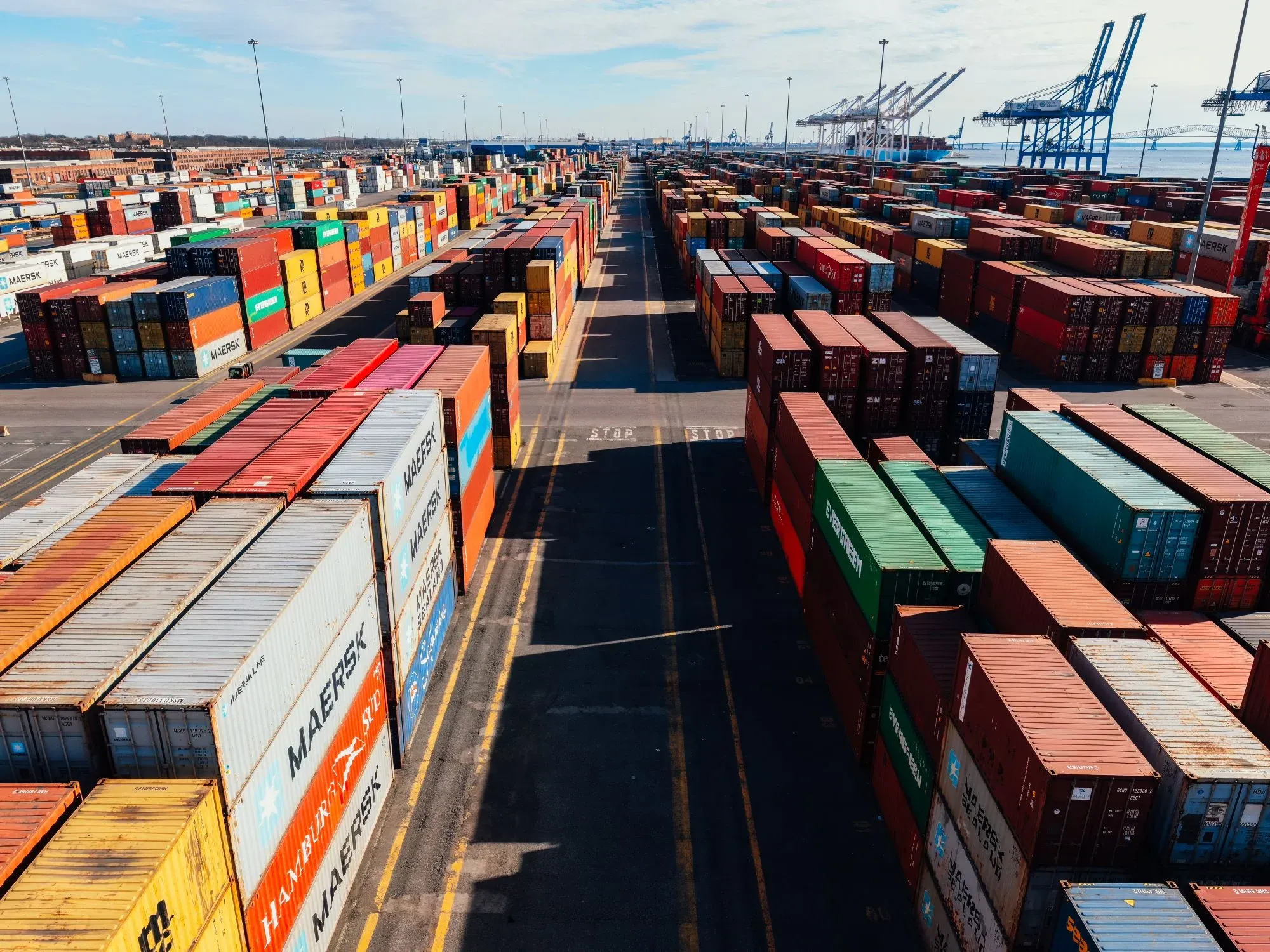
Functional Mismatch: When designs fail to anticipate seasonal demand fluctuations, warehouse systems quickly suffer from overload. Storage capacity becomes constrained by poorly spaced structural columns, forcing forklifts and handling equipment into overlapping traffic flows. This friction reduces throughput speed by up to 30% and heightens collision risks and asset damage.
The Retrofitting and Expansion Trap: Many investors only identify infrastructure defects post-handover. The cost premiums of structural reinforcement or retrofitting stretch original budgets far beyond projections and disrupt ongoing supply chain activities, causing severe revenue losses.
Capital Waste in Long-Term Investments: A logistics project lacking integration from the design phase stifles future scalability. Consequently, the Total Cost of Ownership (TCO) across the asset lifecycle climbs to alarming levels, turning a revenue-generating asset into a prolonged financial liability.
Key Operational Friction Points
The "Single Point of Contact" Solution: Eliminating 15–25% in Hidden Costs Through Prop × Con × Op Integration
To resolve this operational gap, NAVIX Global Group pioneers an end-to-end integrated lifecycle model backed by three core pillars:
NAVIX Industrial Properties (Prop) – Strategic Site Planning: Selecting prime land parcels directly connected to economic corridors, international airports, and deep-water port clusters to eliminate redundant transit costs.
NAVIX E&C (Con) – Operationally Aligned Design & Build: Infusing real-world operational data into technical blueprints from day one. Floor load capacities, wide-span column grids, deep-freeze cold storage systems (-25°C), and inbound/outbound traffic flows are precisely modeled, cutting construction schedules by 20–30% and mitigating post-handover retrofit risks.
NAVIX Global Logistics (Op) – Precision Operations & Cash Flow Optimization: Managing 3PL logistics operations, formal customs clearance with 99.9% accuracy, and international multimodal transport. This drives warehouse capacity utilization and secures steady cash flows immediately upon project completion.
Mitigating 4 Main Categories of Hidden Costs
Common Hidden Cost Categories | Impact of Fragmented Execution | NAVIX Integrated Solution |
Interface & Coordination Costs | Investors waste time and overhead coordinating land developers, construction contractors, and logistics providers, leading to disputed accountability. | A Single Point of Contact assumes end-to-end accountability, reducing indirect administrative costs by 5–8%. |
Infrastructure Retrofitting & Reinforcement | Completed warehouses fail to fit racking layouts, floor slabs crack under heavy forklift loads, or sub-stations lack power for cold storage. | Functionally standardized designs from inception save 5–10% in unexpected capital expenditures. |
Time-to-Market Delays | Schedule overruns lead to missed international trade windows and costly temporary off-site storage. | Construction timelines are accelerated by 20–30%, bringing infrastructure online faster to yield returns. |
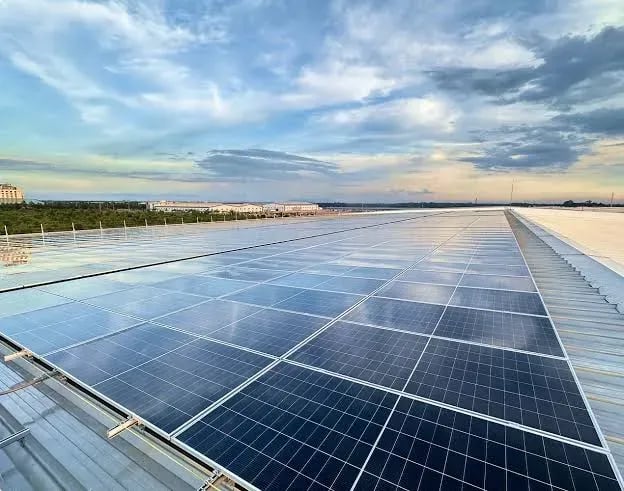
Energy Inefficiencies & ESG Non-Compliance | Subpar lighting, insulation, and ventilation systems lead to surges in monthly utility expenses. | Integration of LEED/EDGE green building standards and rooftop solar solutions right from the master planning stage. |
In the modern supply chain era, cost reduction extends beyond negotiating freight rates—it begins with building synchronized infrastructure. When architectural design and real-world logistics capabilities align toward a shared objective, enterprises eliminate 15–25% in hidden costs while establishing a robust infrastructure foundation for scalable, unconstrained growth.
CONNECT WITH NAVIX GLOBAL GROUP EXPERTS
Are you seeking industrial space optimization or customized warehouse design solutions?
[Request Integrated Project Consultation] | [Download Corporate Profile]
Email: info@navixgroup.com | Website: www.navixglobal.com.vn